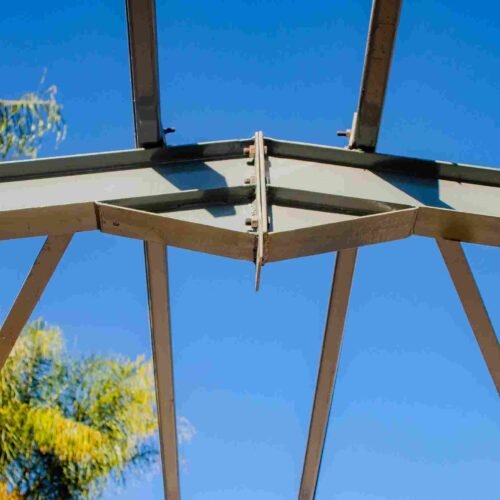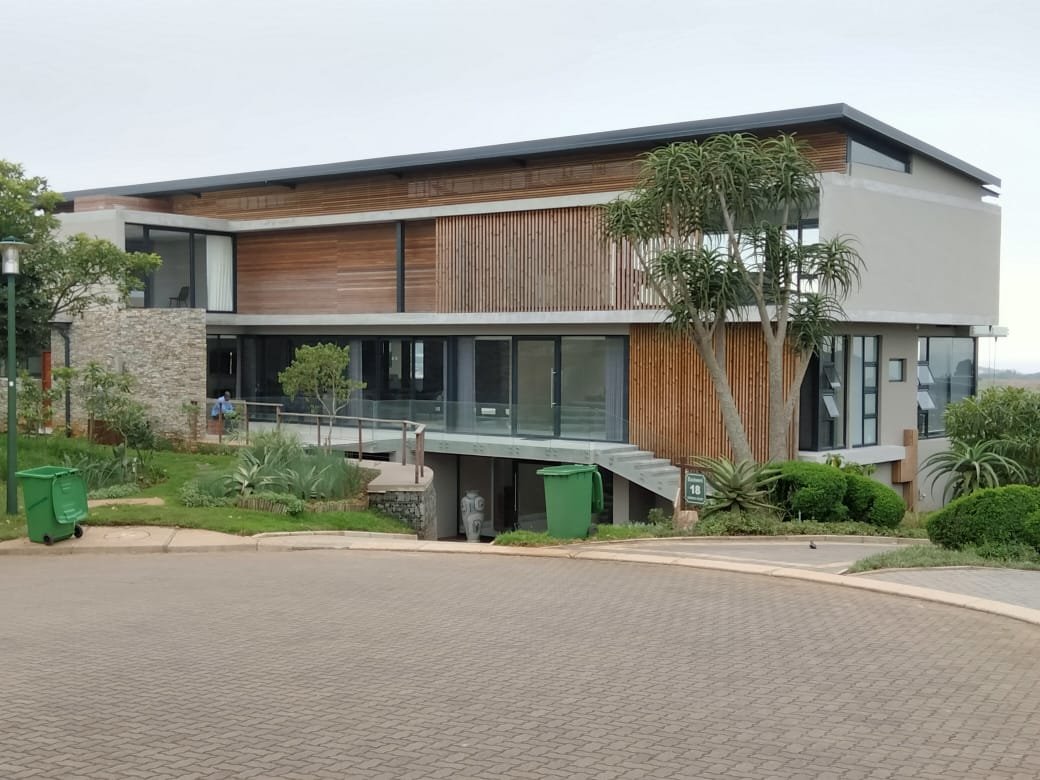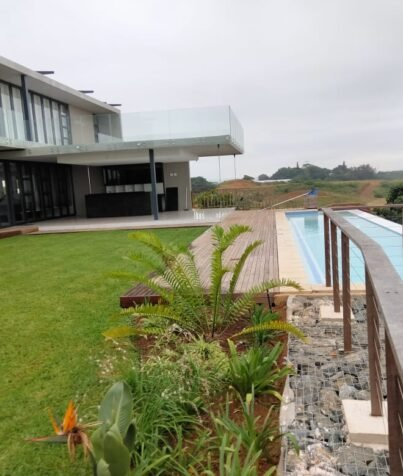

In the traditional engineering world, “safety” is often used as an excuse for “excess.” You see it across construction sites in Bulawayo and Harare: oversized columns, unnecessarily thick slabs, and piles of wasted steel rebar. This is “fat” engineering, and in a challenging economy, it is a luxury you cannot afford.
At Ncube Consults, we subscribe to a different philosophy: Lean Engineering. It is the art of providing maximum structural performance while using the absolute minimum amount of material.
What is Lean Engineering?
Inspired by the “Lean Manufacturing” principles pioneered by Toyota, Lean Engineering is about the relentless pursuit of value. It’s not about “cheap” building; it’s about “smart” building. It’s the difference between a structure that stands because it’s heavy, and a structure that stands because it’s intelligently designed.
Each episode is designed to leave listeners
Our hosts bring decades of experience in global health, working on the frontlines of healthcare delivery, policy-making, and innovation. They’re passionate about creating impactful conversations that spark new ideas and inspire action. From improving infrastructure in low-resource settings to building stronger healthcare workforces, we delve into the systemic issues and creative solutions that can improve global health outcomes.

The Three Pillars of Cost-Effective Optimization
1. Structural Optimization (The “Goldilocks” Principle)
Most traditional designs are “over-engineered” by 20% to 30% simply because the designer didn’t take the time to refine the calculations.
The Lean Way: We use advanced finite element analysis (FEA) to determine exactly where the stress is concentrated in a building. We place the strength where it’s needed and remove the “dead weight” where it isn’t.
The Result: We reduce the volume of concrete and the tonnage of steel without moving an inch outside of international safety codes (like the Eurocodes or Zimbabwe Model Building By-laws).
2. Material-Specific Innovation
Every material has a “sweet spot.” Lean engineering involves choosing the right material for the right span.
Steel vs. Concrete: On certain industrial projects, switching from a heavy reinforced concrete frame to a high-tensile structural steel skeleton can reduce foundation costs by 15% because the building is lighter.
Hybrid Systems: We often design hybrid structures that use the best of both worlds, ensuring you aren’t paying for heavy materials where a lighter, cheaper alternative would perform better
3. Reducing “Rework” Through Precision
The most expensive part of any Zimbabwean construction project is doing the same task twice.
The Lean Way: By integrating BIM (Building Information Modeling), we ensure our designs are 100% accurate before they reach the contractor. When the steel arrives on-site, it fits. When the concrete is poured, it’s the exact volume ordered.
The Result: You eliminate the “hidden tax” of construction—waste, site errors, and time delays.
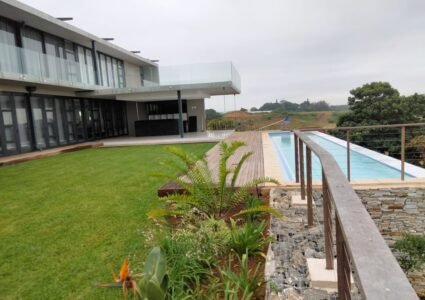
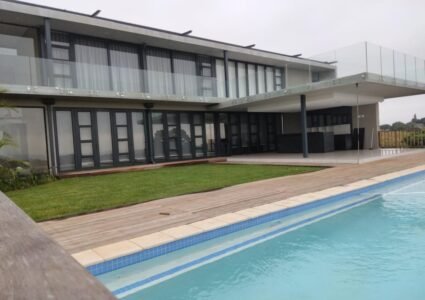
The Financial Impact: A Real-World Perspective
Let’s talk numbers. On a medium-sized commercial development, a Lean Engineering approach can typically save a client:
10–15% on Steel reinforcement costs.
5–8% on Concrete volume.
Up to 20% on Foundation costs (by reducing the overall weight of the building).
In a market where the cost of cement and steel can fluctuate based on imports and inflation, these percentages represent the difference between a project that is viable and one that is stalled.
Why Ncube Consults?
We believe that high-quality engineering should be accessible. Our “Continuous Evolution” pillar means we are constantly researching new, leaner ways to build—from low-carbon concrete mixes to optimized truss geometries.
We don’t just calculate loads; we calculate your Return on Investment (ROI).
Ready to Trim the Fat?
If you have a set of plans and suspect they are “over-designed,” or if you are starting a new project and want to ensure every dollar is spent on value, let’s talk. Our team in Bulawayo is ready to show you how world-class engineering fits into a Zimbabwean budget.